Hearing Loss
Hearing loss explained
Conductive, sensorineural or mixed? Understand the types, degrees and what they mean for your hearing.
Read articlePresbycusis affects most of us eventually. Why it happens so gradually, and what you can do about it.
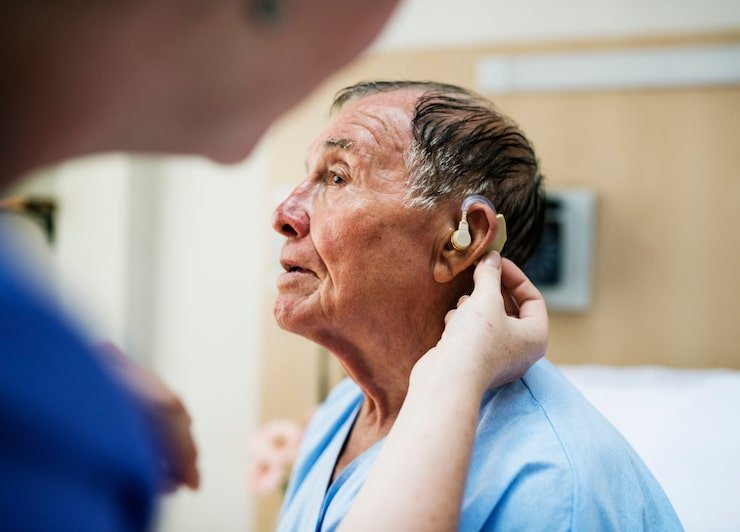
Age-related hearing loss, or presbycusis, is the gradual decline in hearing that comes with getting older. It's extremely common - affecting the majority of people over 70 - and it usually develops so slowly that families notice before the person does.
It's not something to simply 'put up with'. Understanding it helps you act before it starts to affect your confidence and connections.
Birdsong, the letters s, f and t, and women's and children's voices become harder to catch.
You hear that someone's talking, but the words blur, especially in groups.
Busy places feel exhausting as your brain works overtime to fill the gaps.
Consonants live in the high pitches, and they carry most of speech's meaning.
Untreated loss is linked to isolation, tiredness and low mood.
Keeping your hearing active with aids helps your brain stay sharp at processing sound.
 Home visit
You don't need a clinic waiting room to get expert help. A certified Hearizan audiologist comes to you with full clinical-grade equipment and the time to do things properly.
There's no rush and no pressure — just clear answers and aftercare that continues through your patient portal.
Age-related hearing loss is common, but treating it as an inevitable part of ageing to simply endure does real harm. Untreated, it's linked to social withdrawal, tiredness and a faster decline in memory and mood - because the brain is working overtime and missing out on connection.
Addressing it early keeps you engaged in conversations and life. Far from being a sign of frailty, dealing with it is one of the most positive things you can do for your long-term wellbeing.
Conductive, sensorineural or mixed? Understand the types, degrees and what they mean for your hearing.
Read article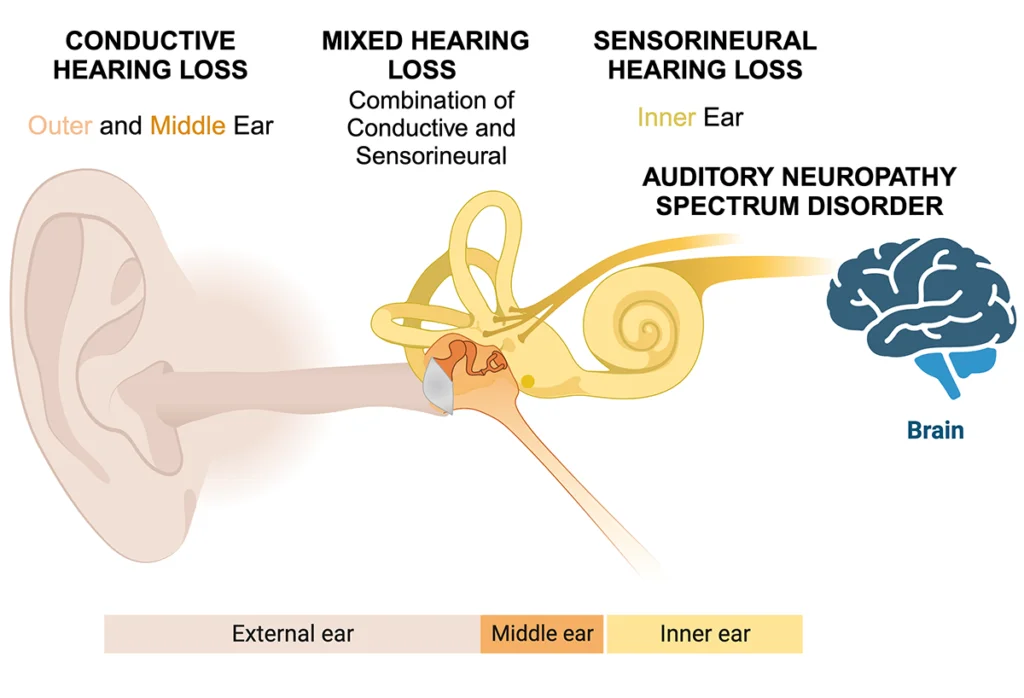
Turning the TV up, missing words in noise, asking people to repeat — the early signs worth taking seriously.
Read article
Noise, age, genetics and health. What damages hearing — and how much of it you can actually prevent.
Read articleA certified audiologist, clinical-grade equipment, and unhurried care - all in the comfort of your home. Most appointments within 48 hours.