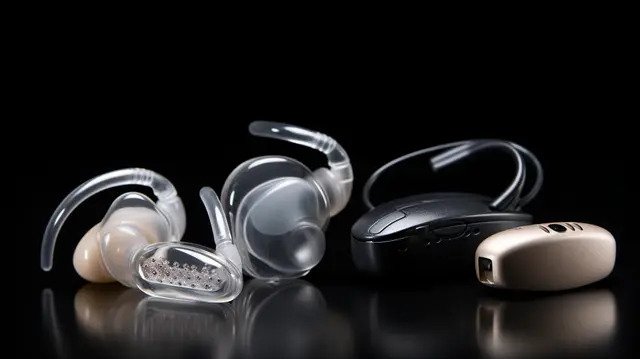
Hearing Aids
Are hearing aids right for me?
From microphone to eardrum in milliseconds — a plain-English look at the technology that brings sound back to life.
Read articleDiscreet, custom-moulded devices that sit deep in the canal. Find out who they suit and how they compare.
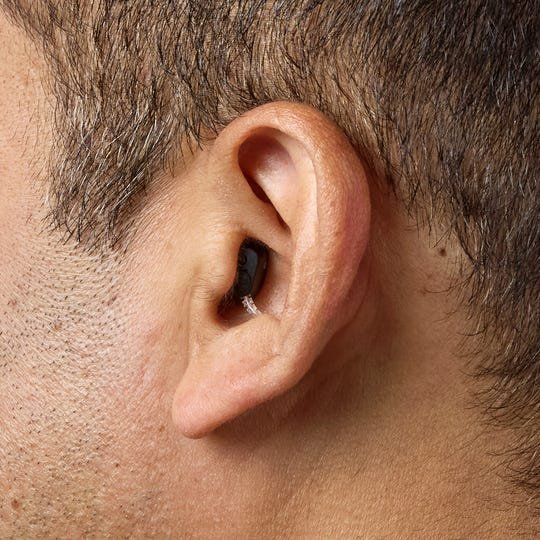
Invisible-in-canal (IIC) and completely-in-canal (CIC) hearing aids are custom-moulded to sit deep inside your ear canal, where they're virtually impossible to spot. For many people, that discretion is the difference between wearing a device and leaving it in a drawer.
They're small marvels of engineering - but they aren't right for every ear or every hearing level.
Sitting deep in the canal, they're hidden from view in almost every situation.
Because they sit close to the eardrum, sound arrives more naturally and the outer ear still shapes it.
Tucked inside the canal, they're better shielded from the wind than larger styles.
Invisible devices suit some people beautifully and others not at all. These factors decide it.
In normal conversation, almost never. A removal handle may be faintly visible very close up.
For mild to moderate loss, yes. Severe losses usually need a larger device with more power.
We take a quick, comfortable impression of your ear and the device is built to that exact shape.
Because invisible aids sit deep in the canal, they take a little practice to insert and remove at first - though most people quickly get the knack. They use very small batteries, so you'll change or charge them more often than larger styles.
A simple daily wipe and a regular wax-guard change keeps them performing. If dexterity is a concern, we'll talk you through it honestly so you choose a device you'll actually find easy to live with.
From microphone to eardrum in milliseconds — a plain-English look at the technology that brings sound back to life.
Read article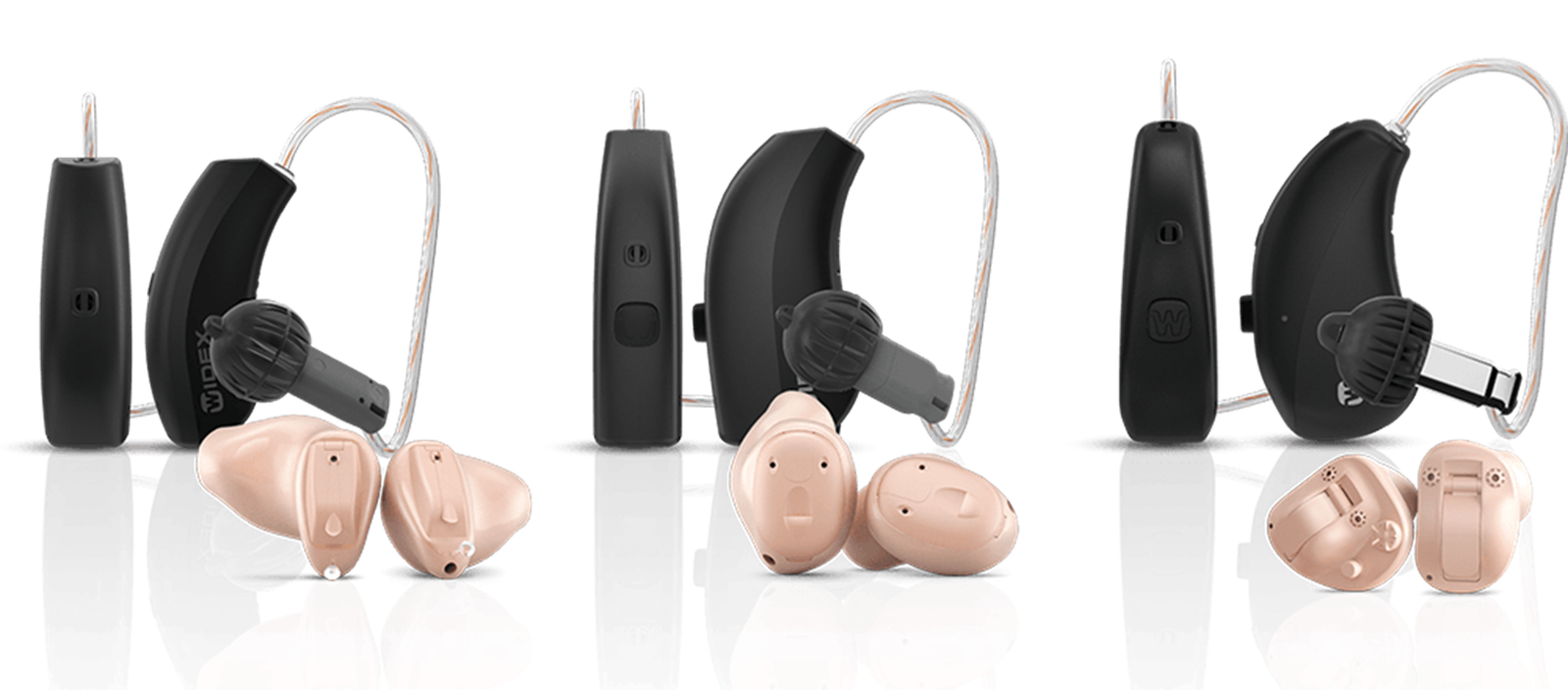
Behind-the-ear, in-the-canal or completely invisible? A clear guide to every style and who each one suits best.
Read article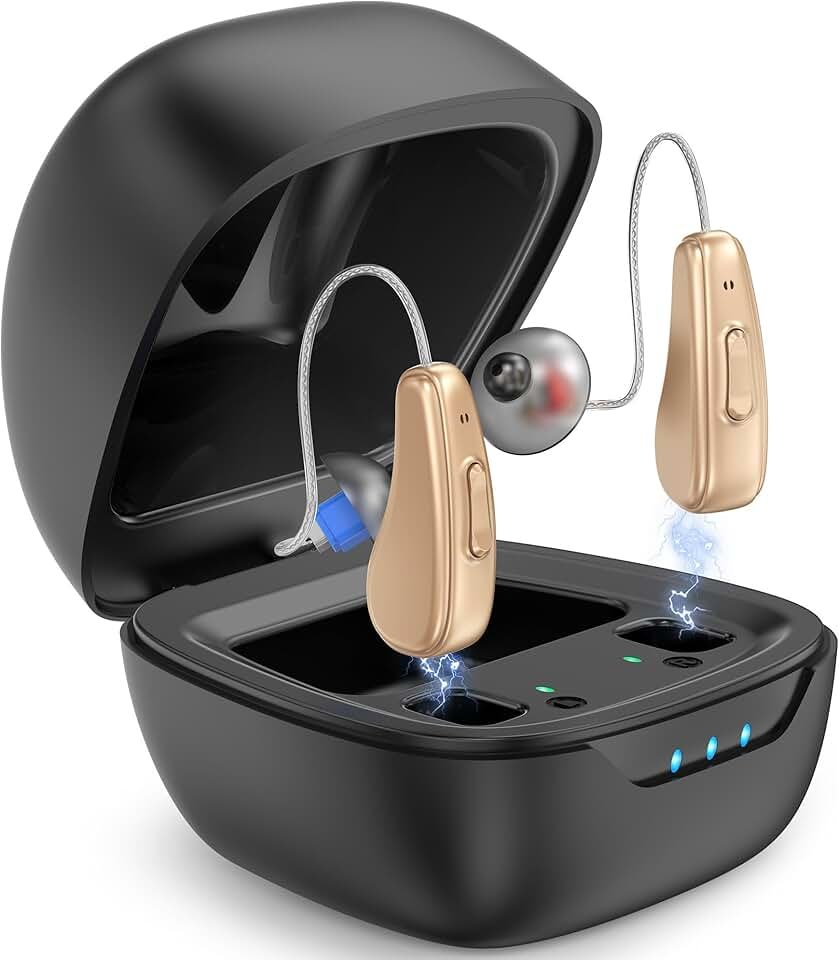
No more fiddly batteries. How lithium-ion rechargeable aids work and why so many people are switching.
Read articleA certified audiologist, clinical-grade equipment, and unhurried care - all in the comfort of your home. Most appointments within 48 hours.