
Hearing Loss
Hearing loss explained
Conductive, sensorineural or mixed? Understand the types, degrees and what they mean for your hearing.
Read articleEarly detection changes everything. The signs by age, the tests, and the support that protects development.
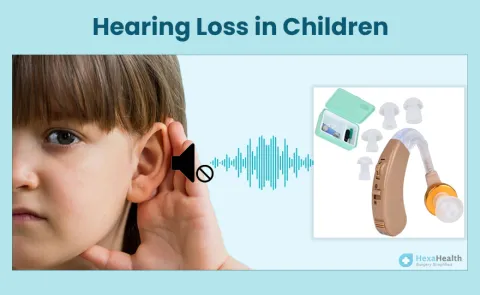
In children, hearing is tied directly to speech, language and learning. Even a mild or temporary loss - often from glue ear - can hold a child back if it goes unnoticed. That's why spotting it early is so important.
The signs differ by age, so knowing what to look for at each stage helps you act in time.
Not startling at loud sounds, or not turning toward voices by around six months.
Late or unclear speech, not responding to their name, or wanting the TV very loud.
Falling behind, frequent 'what?', tiredness, or struggling in noisy classrooms.
Trust your instincts - if something seems off, a test is quick, painless and reassuring.
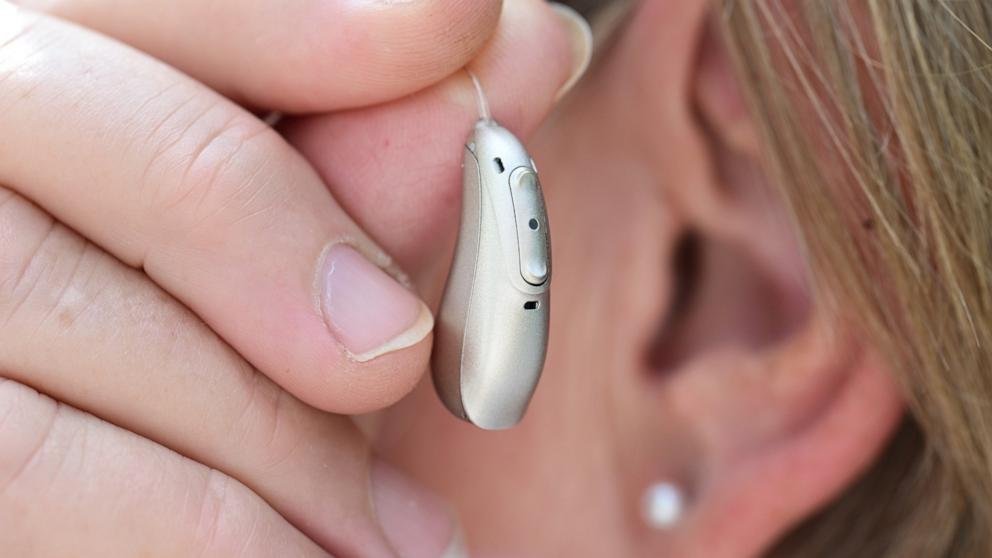 Home visit
You don't need a clinic waiting room to get expert help. A certified Hearizan audiologist comes to you with full clinical-grade equipment and the time to do things properly.
There's no rush and no pressure — just clear answers and aftercare that continues through your patient portal.
If a hearing loss is found, early support makes an enormous difference to speech, confidence and learning. That can mean anything from treating glue ear to hearing aids and small changes at school, like seating a child where they can see and hear the teacher.
Children adapt remarkably well with the right help around them. The most important step is acting early - which starts with a simple, reassuring hearing check.
Conductive, sensorineural or mixed? Understand the types, degrees and what they mean for your hearing.
Read article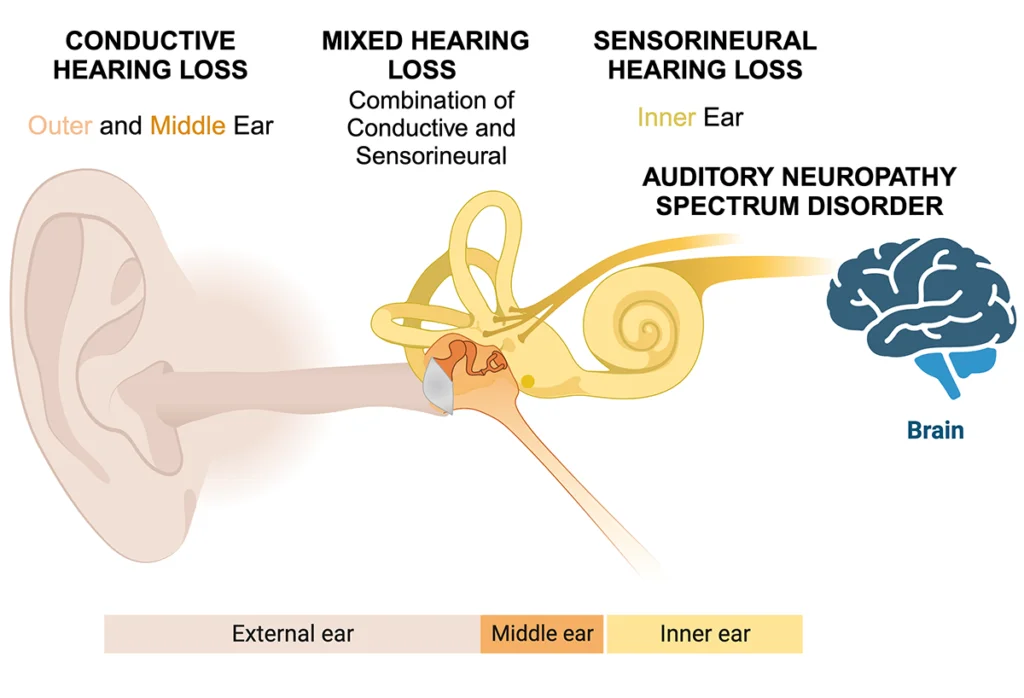
Turning the TV up, missing words in noise, asking people to repeat — the early signs worth taking seriously.
Read article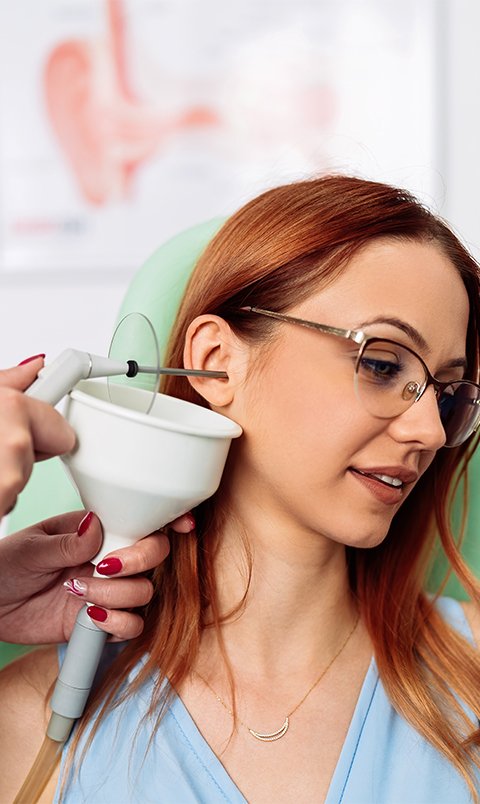
Noise, age, genetics and health. What damages hearing — and how much of it you can actually prevent.
Read articleA certified audiologist, clinical-grade equipment, and unhurried care - all in the comfort of your home. Most appointments within 48 hours.