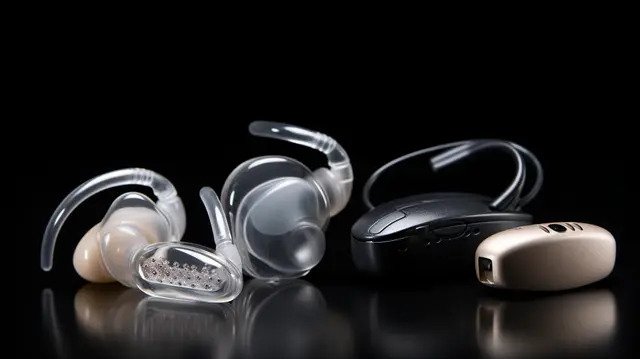
Hearing Aids
Are hearing aids right for me?
From microphone to eardrum in milliseconds — a plain-English look at the technology that brings sound back to life.
Read articleNo more fiddly batteries. How lithium-ion rechargeable aids work and why so many people are switching.
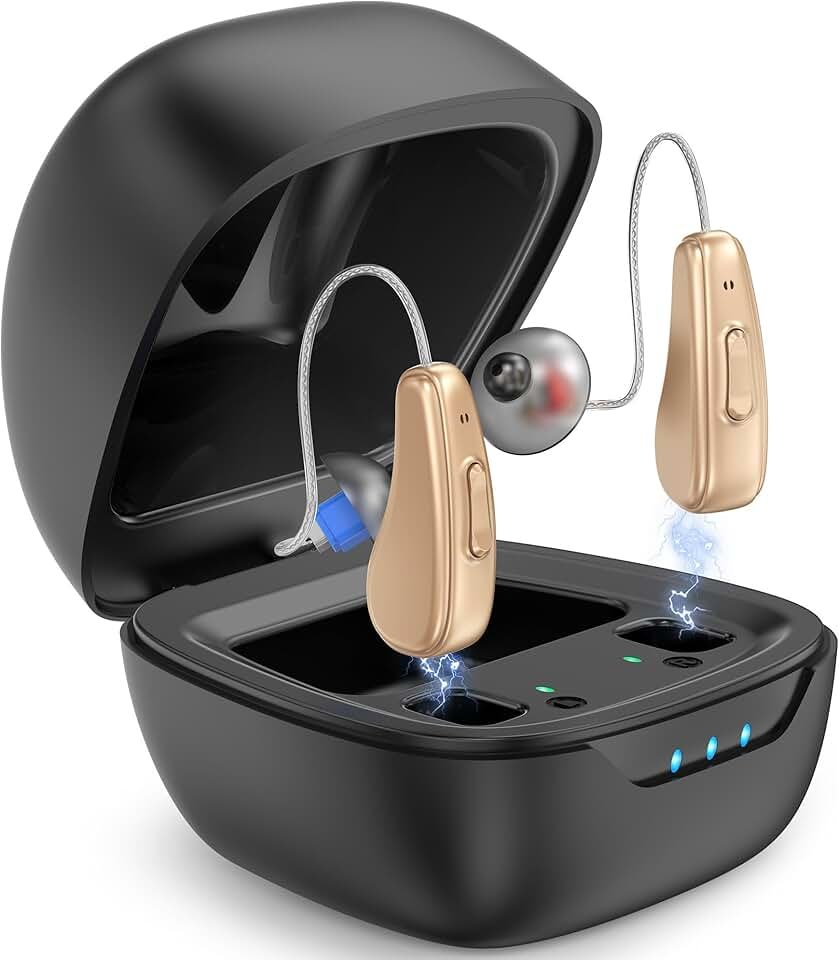
Rechargeable hearing aids use a sealed lithium-ion battery, just like your phone. You drop them into a charging case overnight and they're ready for a full day by morning - no tiny batteries to prise out or replace.
For anyone with limited dexterity or eyesight, that simple change can be transformative.
At the end of the day, place both devices into their charging case.
A few hours gives a full charge; most cases also store extra power for travel.
Lift them out and you're set for a full day of listening, including streaming.
| Rechargeable | Traditional batteries | |
|---|---|---|
| Daily effort | Drop in the case | Change tiny batteries |
| Dexterity needed | Very low | Higher |
| Running cost | Charger electricity only | Ongoing battery purchases |
| Moisture resistance | Sealed, often better | Battery door opens often |
No tiny batteries to handle, store or replace - just charge and wear.
A sealed battery means fewer openings for moisture and dust to get in.
One rechargeable battery replaces dozens of disposable ones each year.
Like any rechargeable battery, the cell inside slowly holds a little less charge over several years of daily use - much like a mobile phone. In practice, a full overnight charge comfortably covers a long day, including streaming, for years before that's ever noticeable.
When the battery does eventually age, it's replaced as part of a service rather than something you handle yourself - so the convenience lasts the life of the device.
From microphone to eardrum in milliseconds — a plain-English look at the technology that brings sound back to life.
Read article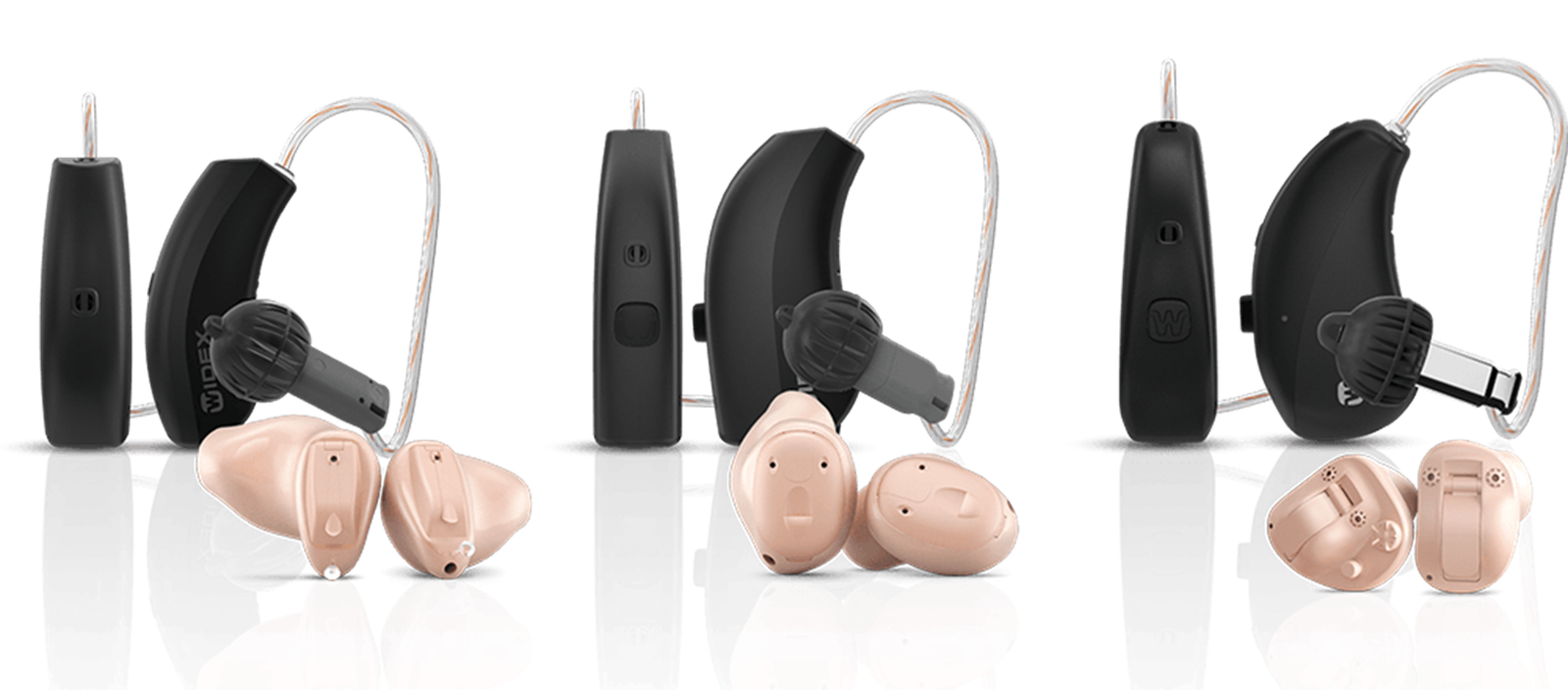
Behind-the-ear, in-the-canal or completely invisible? A clear guide to every style and who each one suits best.
Read article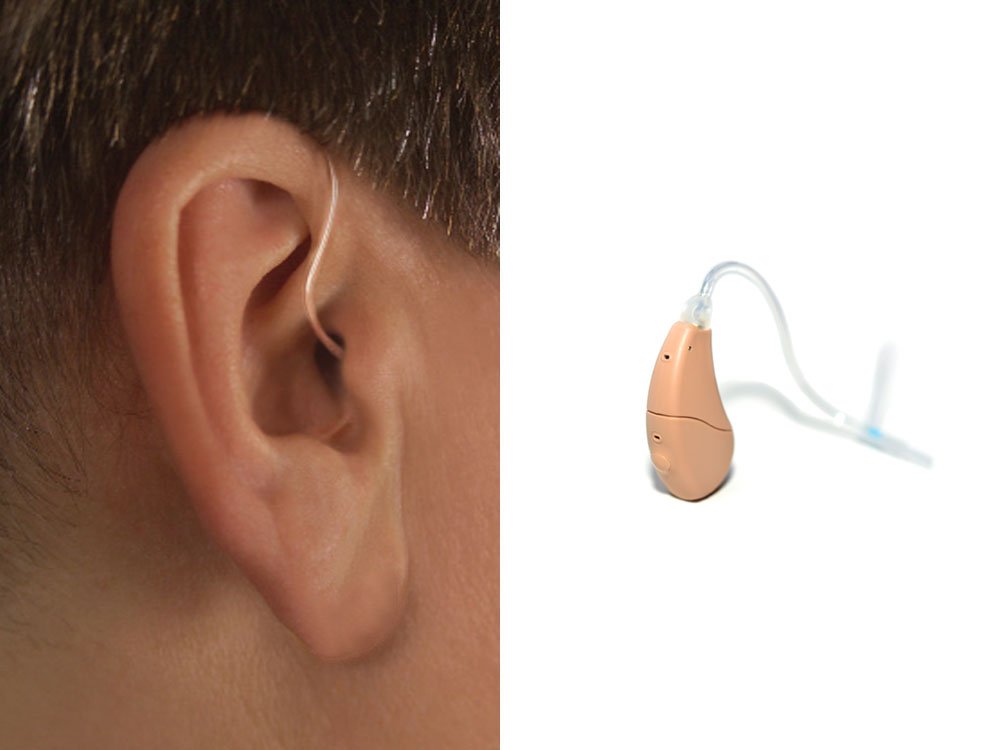
Discreet, custom-moulded devices that sit deep in the canal. Find out who they suit and how they compare.
Read articleA certified audiologist, clinical-grade equipment, and unhurried care - all in the comfort of your home. Most appointments within 48 hours.