Hearing Aids
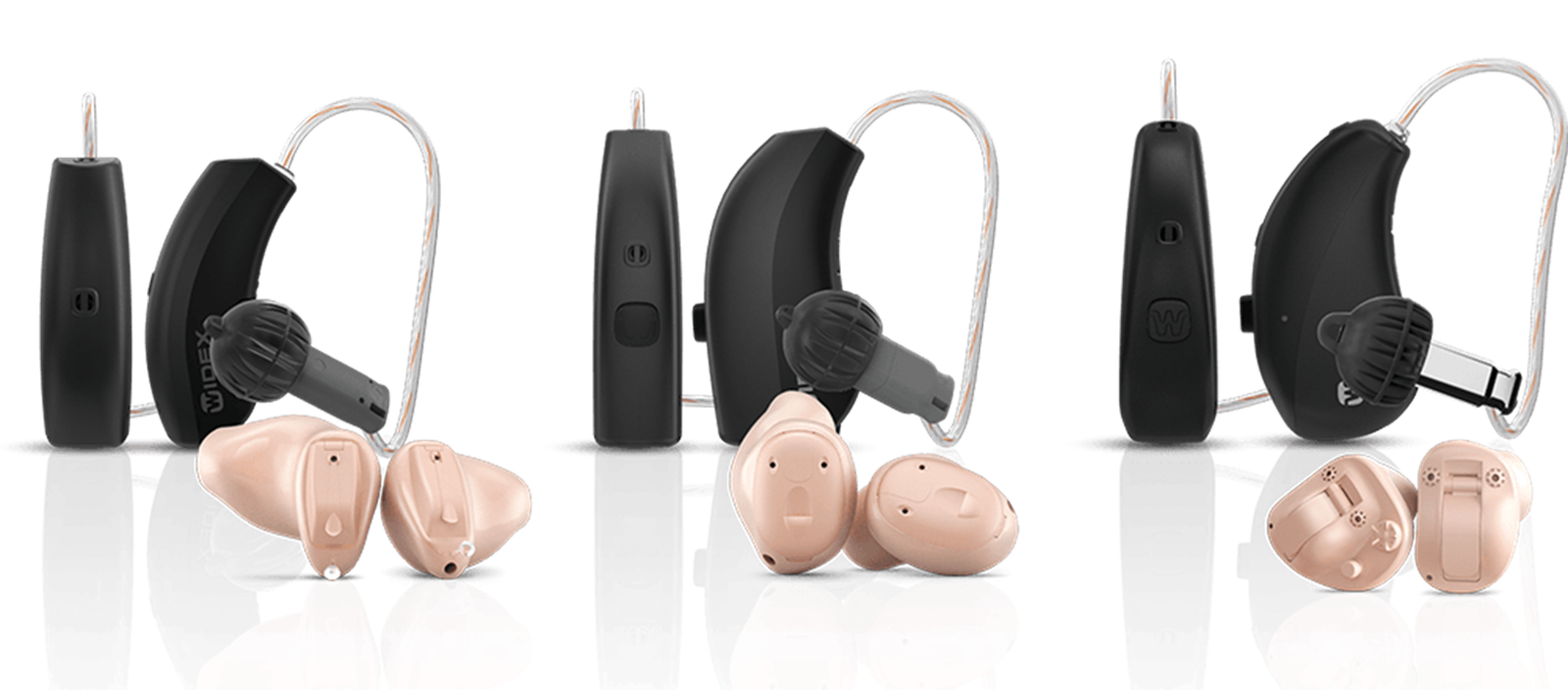
Types of hearing aids
Behind-the-ear, in-the-canal or completely invisible? A clear guide to every style and who each one suits best.
Read articleFrom microphone to eardrum in milliseconds — a plain-English look at the technology that brings sound back to life.
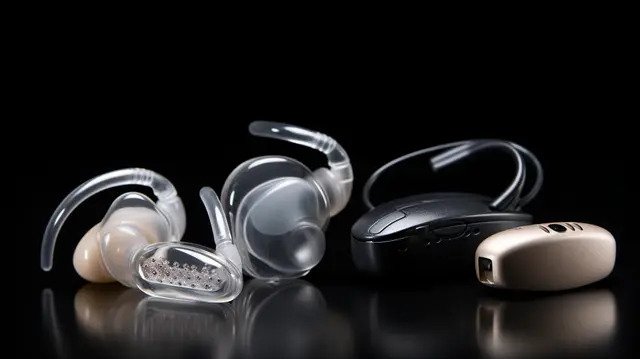
A hearing aid isn't a simple volume knob. It's a miniature computer that captures the sound around you, works out what's speech and what's noise, and rebuilds a clearer version of the world for your ear — all in a few thousandths of a second.
Whether it sits behind your ear or hides inside your canal, every modern device follows the same four-stage path.
Tiny microphones pick up sound from around you and convert it into a digital signal.
A smart chip analyses that signal thousands of times a second, lifting speech and easing back noise.
Sound is boosted only at the exact pitches where your hearing needs help - not everything equally.
A miniature speaker sends the finished, clearer sound gently into your ear canal.
Steady background sounds - traffic, fans, chatter - are softened so voices stand out.
The device focuses on whoever's in front of you and turns down sound from behind.
Smart processing stops the old-fashioned whistling before you ever hear it.
No. A well-fitted device only amplifies the frequencies you struggle with, and eases you in gently while your brain re-adjusts.
Usually yes. Two ears help you locate sound and follow speech in noise far better than one.
A full day on one charge for rechargeable models, or several days to a week for traditional batteries.
Early hearing aids simply made every sound louder, which is why older relatives often found them harsh and left them in a drawer. Today's digital devices are a world apart: they tell speech from noise, adjust automatically as you move between quiet and busy places, and can be tuned to the exact shape of your hearing loss.
That shift is why modern aids are so much more comfortable and effective - and why a device fitted to you, rather than bought off a shelf, makes such a difference.
Behind-the-ear, in-the-canal or completely invisible? A clear guide to every style and who each one suits best.
Read article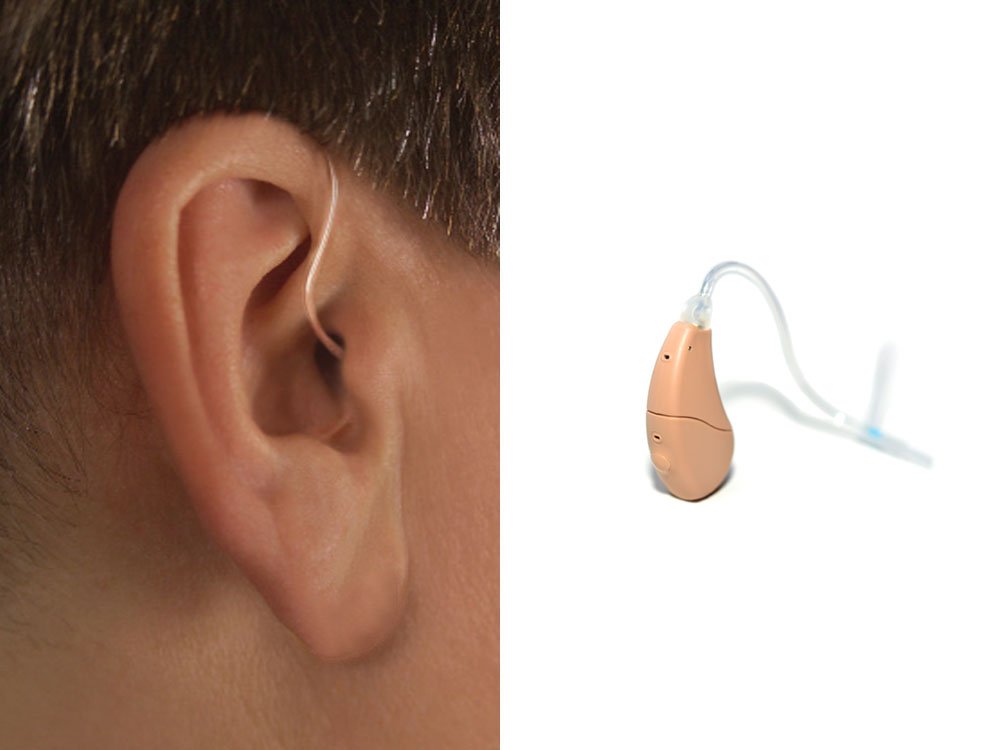
Discreet, custom-moulded devices that sit deep in the canal. Find out who they suit and how they compare.
Read article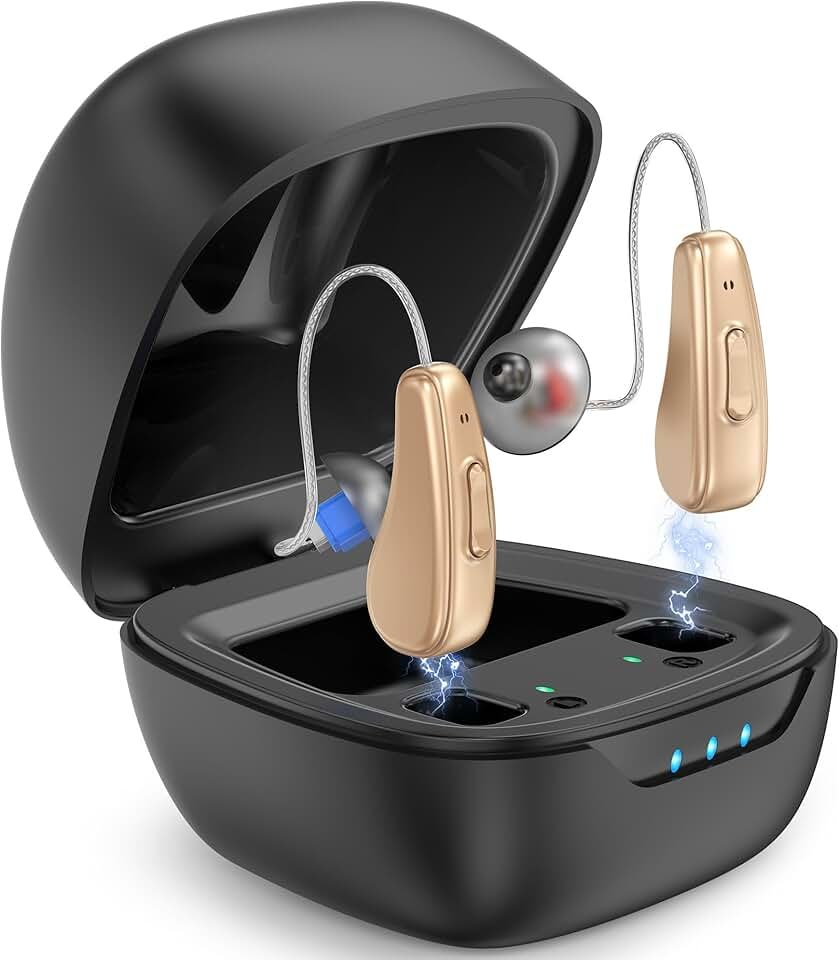
No more fiddly batteries. How lithium-ion rechargeable aids work and why so many people are switching.
Read articleA certified audiologist, clinical-grade equipment, and unhurried care - all in the comfort of your home. Most appointments within 48 hours.