Hearing Loss
Signs of hearing loss
Turning the TV up, missing words in noise, asking people to repeat — the early signs worth taking seriously.
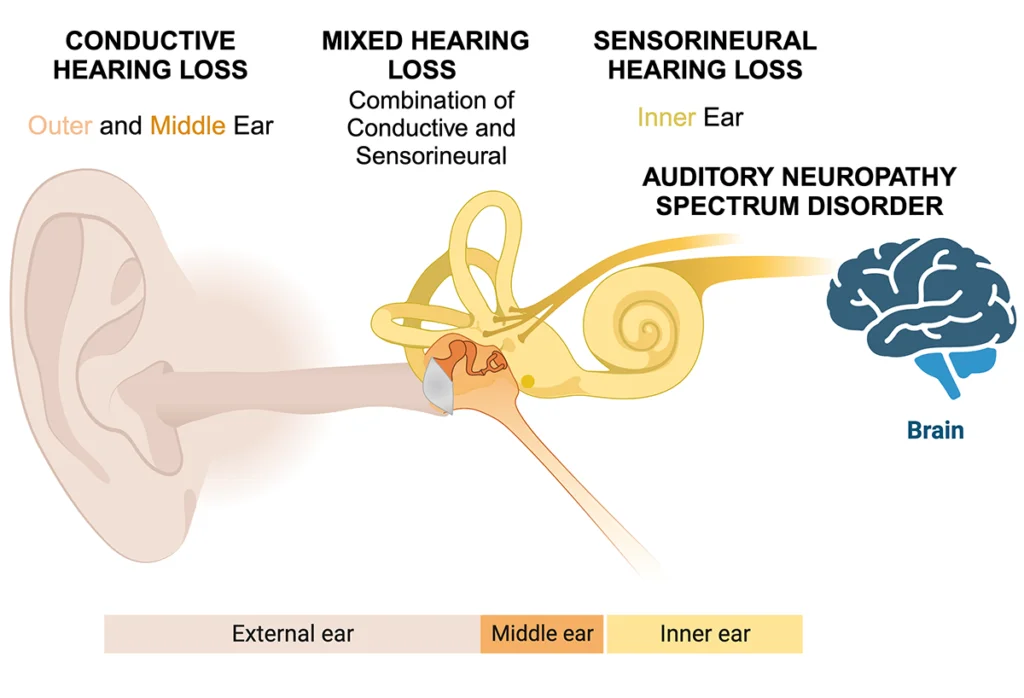
Read articleConductive, sensorineural or mixed? Understand the types, degrees and what they mean for your hearing.
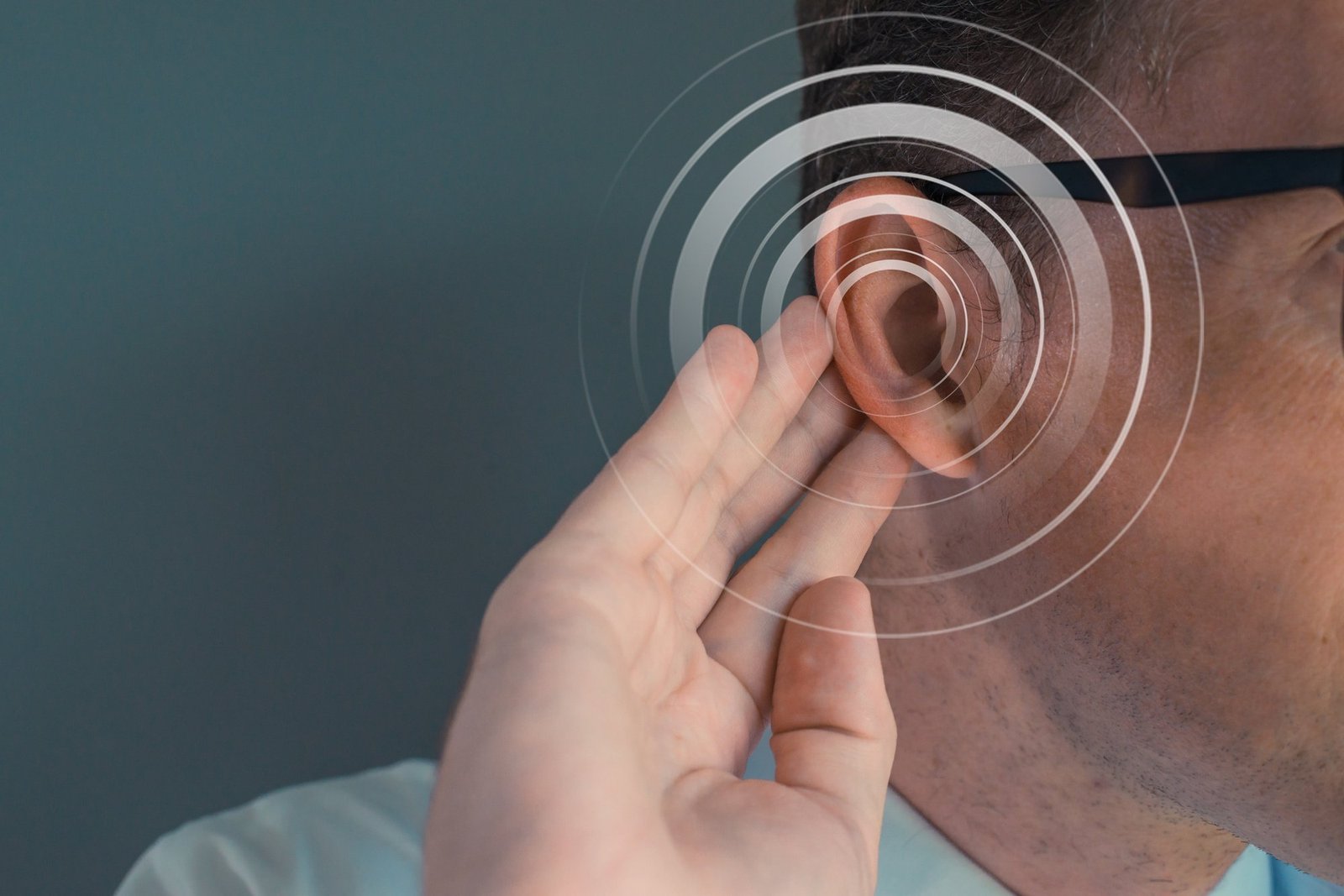
Hearing loss simply means sound isn't reaching or being processed by your brain as well as it should. It can affect one ear or both, come on suddenly or - far more often - creep in so gradually that it's easy to miss.
Understanding the type and degree of loss is the first step to doing something effective about it.
| Type | What's happening | Often treated with |
|---|---|---|
| Conductive | Sound is blocked in the outer or middle ear (e.g. wax, fluid) | Wax removal, medication, sometimes surgery |
| Sensorineural | Damage to the inner ear or hearing nerve | Hearing aids; the most common type |
| Mixed | A combination of both of the above | A tailored plan addressing each part |
Soft speech and conversations in noise become hard to follow.
Normal speech is difficult; many people start to benefit clearly from aids.
Even loud speech is hard; powerful aids or implants may be recommended.
 Home visit
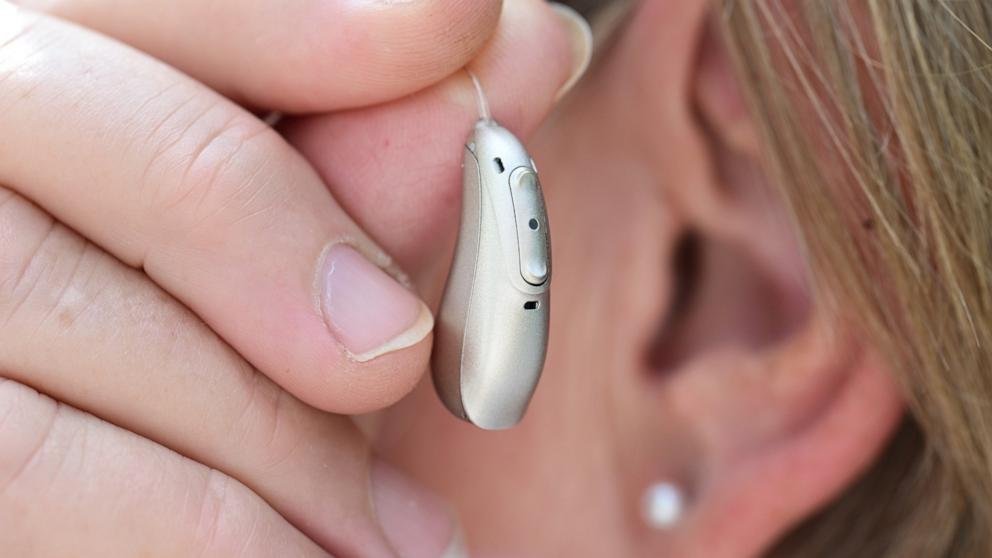
You don't need a clinic waiting room to get expert help. A certified Hearizan audiologist comes to you with full clinical-grade equipment and the time to do things properly.
There's no rush and no pressure — just clear answers and aftercare that continues through your patient portal.
A hearing test produces an audiogram - a simple chart showing the softest sounds you can hear at each pitch, for each ear. It instantly reveals whether your loss is mild or more significant, and whether it affects high notes, low notes or both.
That map is what lets an audiologist tell the type and degree of loss apart, and it's the foundation for any treatment plan - which is why a proper test always comes first.
Turning the TV up, missing words in noise, asking people to repeat — the early signs worth taking seriously.
Read article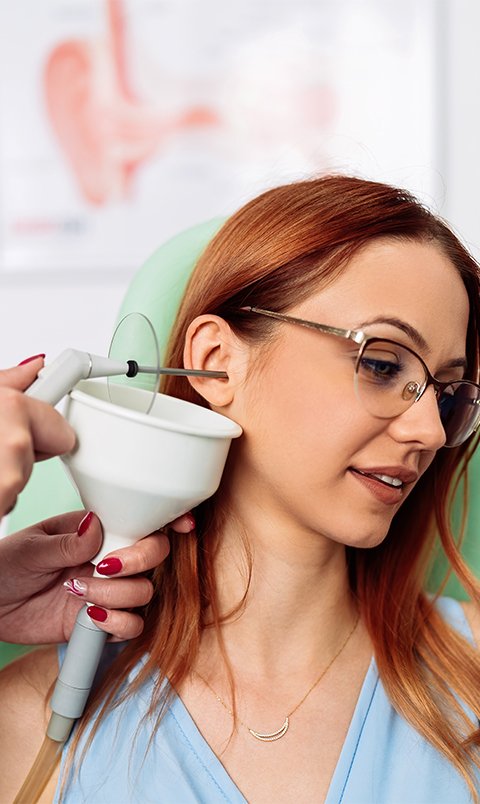
Noise, age, genetics and health. What damages hearing — and how much of it you can actually prevent.
Read article
Presbycusis affects most of us eventually. Why it happens so gradually, and what you can do about it.
Read articleA certified audiologist, clinical-grade equipment, and unhurried care - all in the comfort of your home. Most appointments within 48 hours.