Ear Conditions
Ear infections
Pain, pressure and muffled hearing. How to tell outer, middle and inner ear infections apart — and what to do.
Read articleRinging, buzzing or humming with no outside source. What causes tinnitus and the therapies that genuinely help.
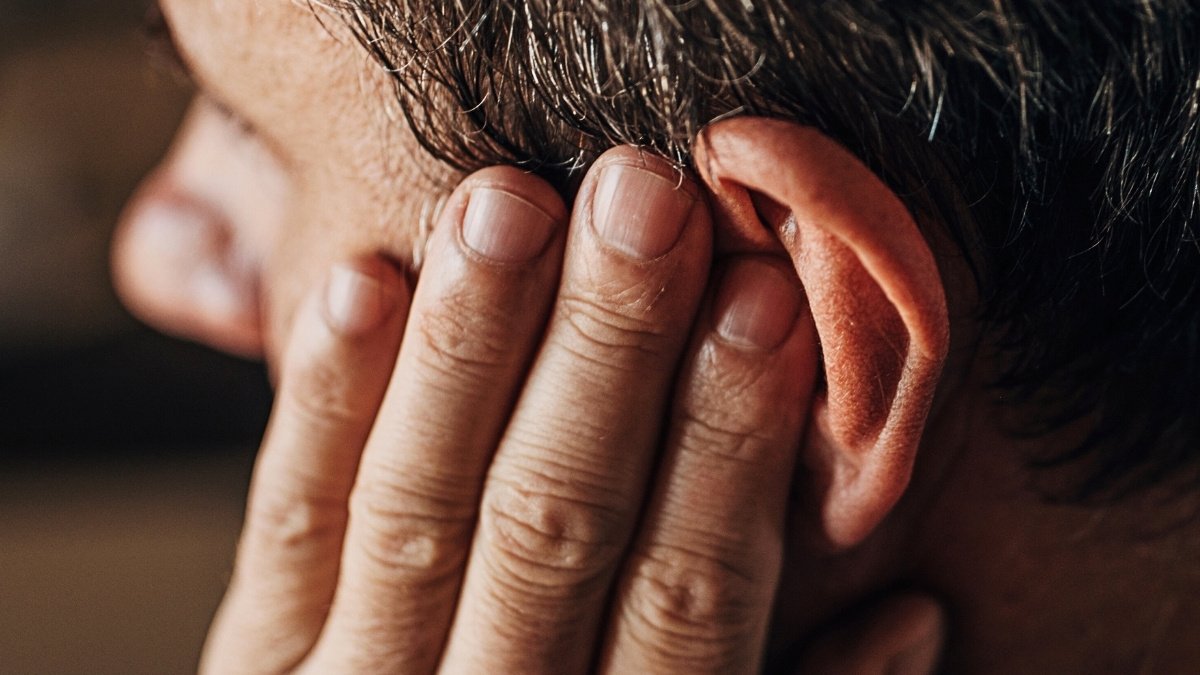
Tinnitus is the experience of hearing a sound - ringing, buzzing, humming or hissing - that has no external source. It's very common, especially with age or after noise exposure, and it's a symptom rather than a disease in itself.
While there's no single 'cure', the right combination of approaches helps most people reduce it and stop it dominating their lives.
Loud sound is the most common trigger, which is why protection matters so much.
Tinnitus often accompanies hearing loss, as the brain 'fills in' missing sound.
Stress, ear wax, certain medicines and caffeine can all make it worse.
Gentle background sound makes the tinnitus less noticeable and easier to ignore.
If there's hearing loss, aids restore real sound and often reduce the ringing.
Managing stress and changing your response to the sound reduces its impact.
Avoiding loud noise and known triggers helps stop it worsening.
For some it fades; for many it becomes far less intrusive once managed well.
Usually not, but tinnitus in one ear only, or with dizziness, should be checked.
Yes - when hearing loss is present, aids are one of the most effective tools.
Beyond formal therapy, small daily habits make a real difference. Keeping a little background sound around - a fan, soft music, or nature sounds - stops quiet rooms from amplifying the tinnitus. Protecting your ears from loud noise and easing back on caffeine and stress all help too.
Sleep is often where tinnitus feels worst, so a bedside sound source can be transformative. None of this is a cure, but together these habits help most people take back control.
Pain, pressure and muffled hearing. How to tell outer, middle and inner ear infections apart — and what to do.
Read article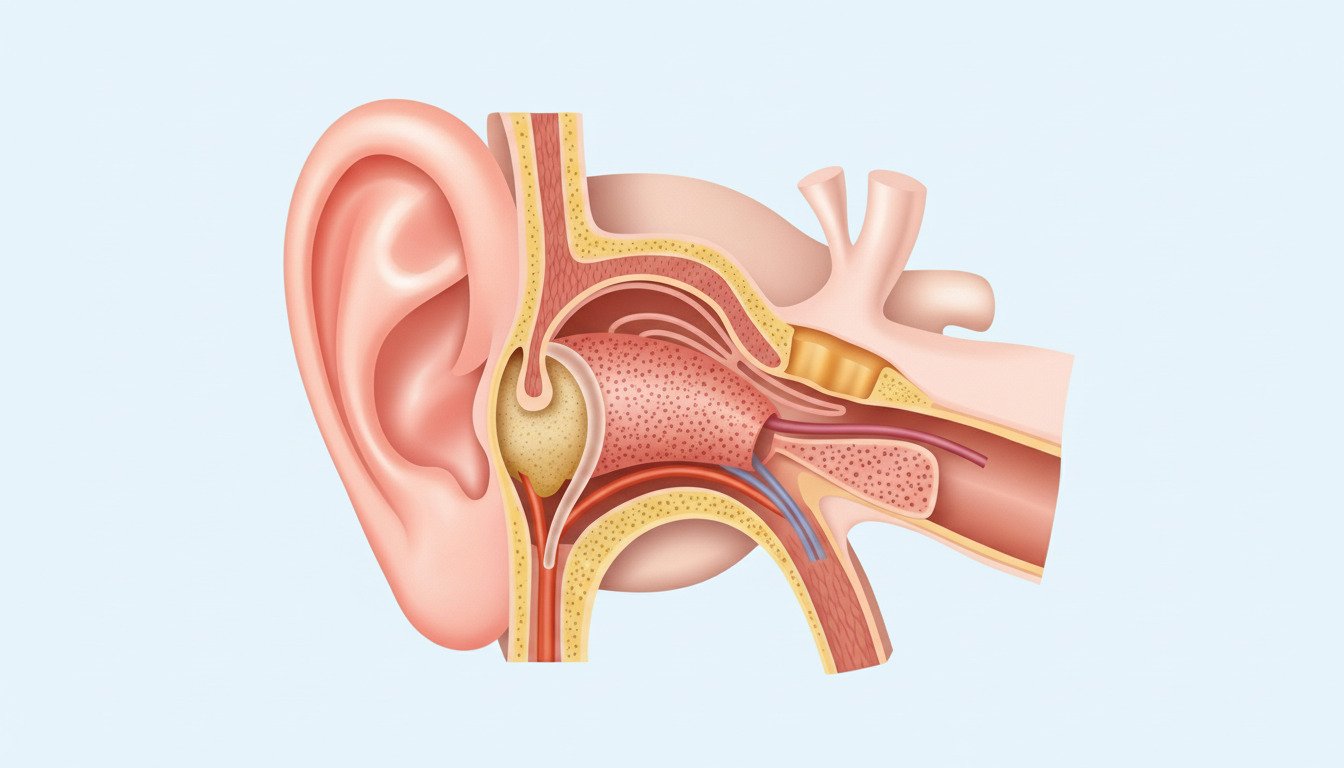
Wax, fluid or pressure — the common reasons ears feel blocked, and the safe ways to clear them.
Read article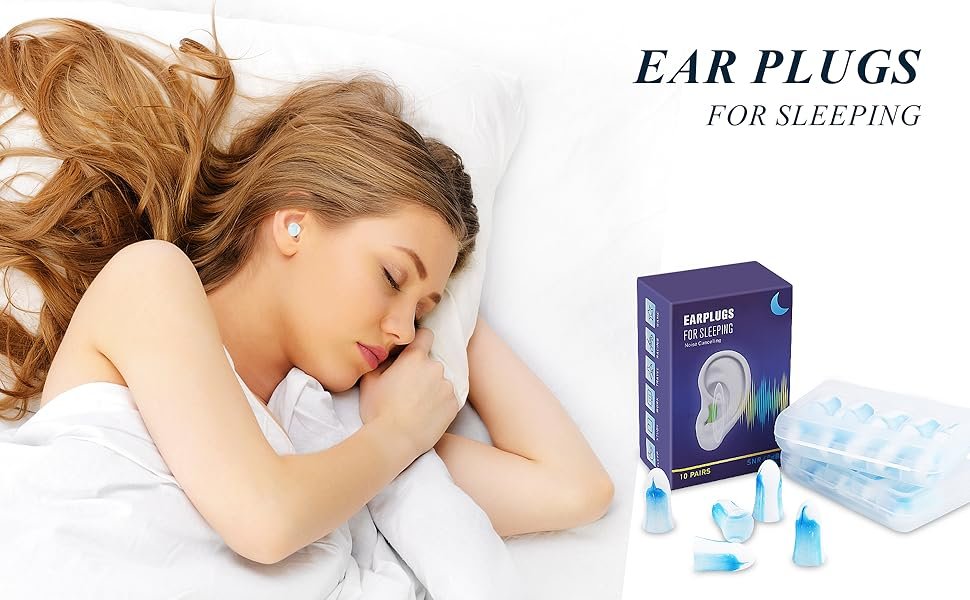
Also called swimmer's ear. What inflames the ear canal, how it's treated, and how to keep it from coming back.
Read articleA certified audiologist, clinical-grade equipment, and unhurried care - all in the comfort of your home. Most appointments within 48 hours.