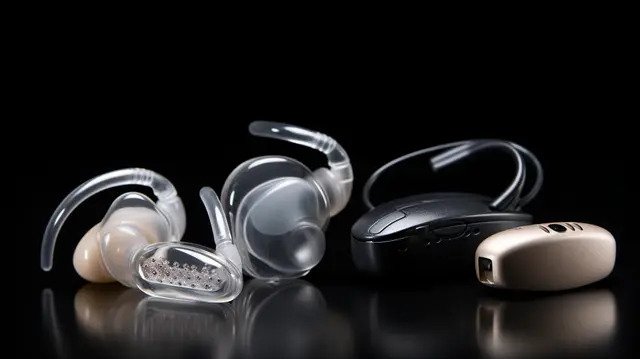
Hearing Aids
Are hearing aids right for me?
From microphone to eardrum in milliseconds — a plain-English look at the technology that brings sound back to life.
Read articleBehind-the-ear, in-the-canal or completely invisible? A clear guide to every style and who each one suits best.
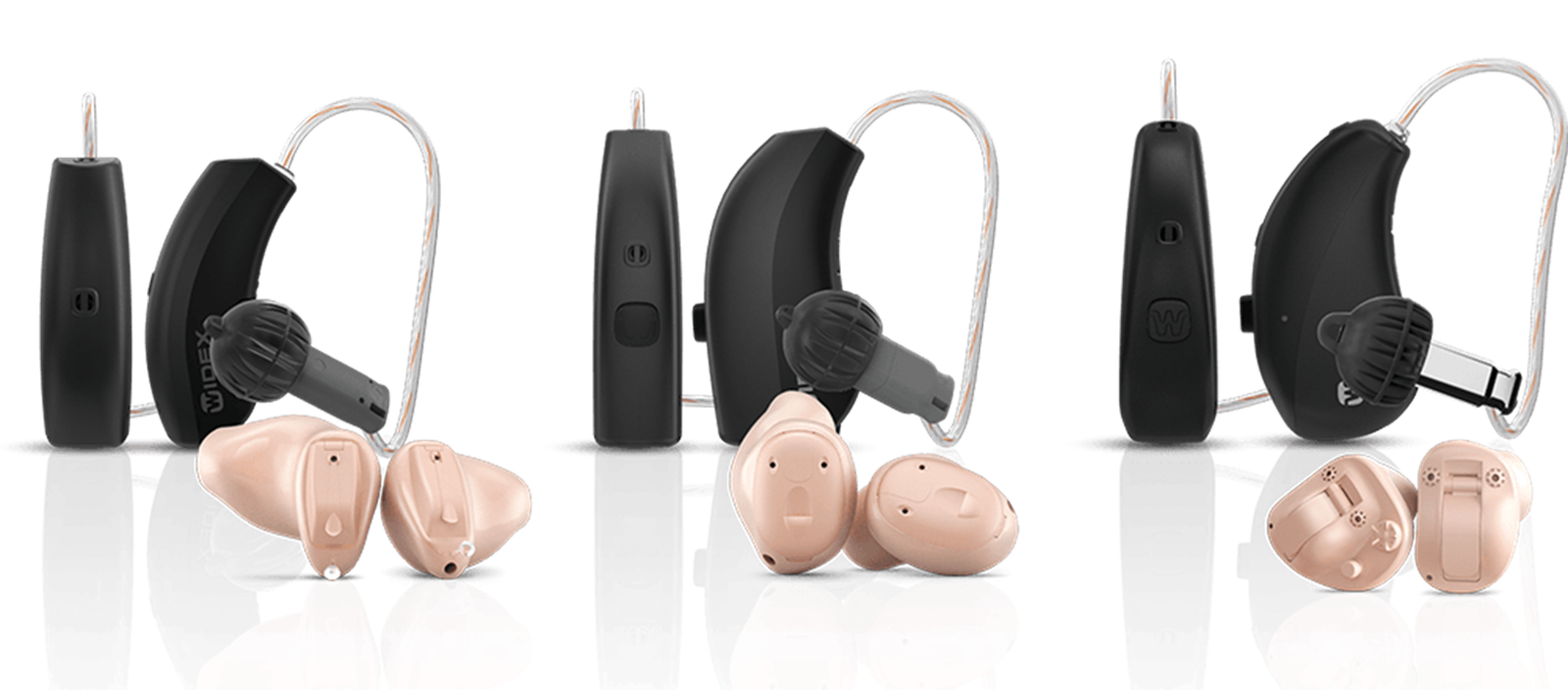
Hearing aids come in a range of styles, from devices that tuck discreetly behind the ear to ones hidden completely inside the canal. The right choice depends on your hearing, your dexterity and your day-to-day life.
Here's how the main styles compare at a glance.
Custom-moulded to the shape of your outer ear, ITE aids come in a range of sizes and strengths. They sit in the bowl of the ear and are really only noticeable side-on - and even then, colour-matching to your skin keeps them discreet.
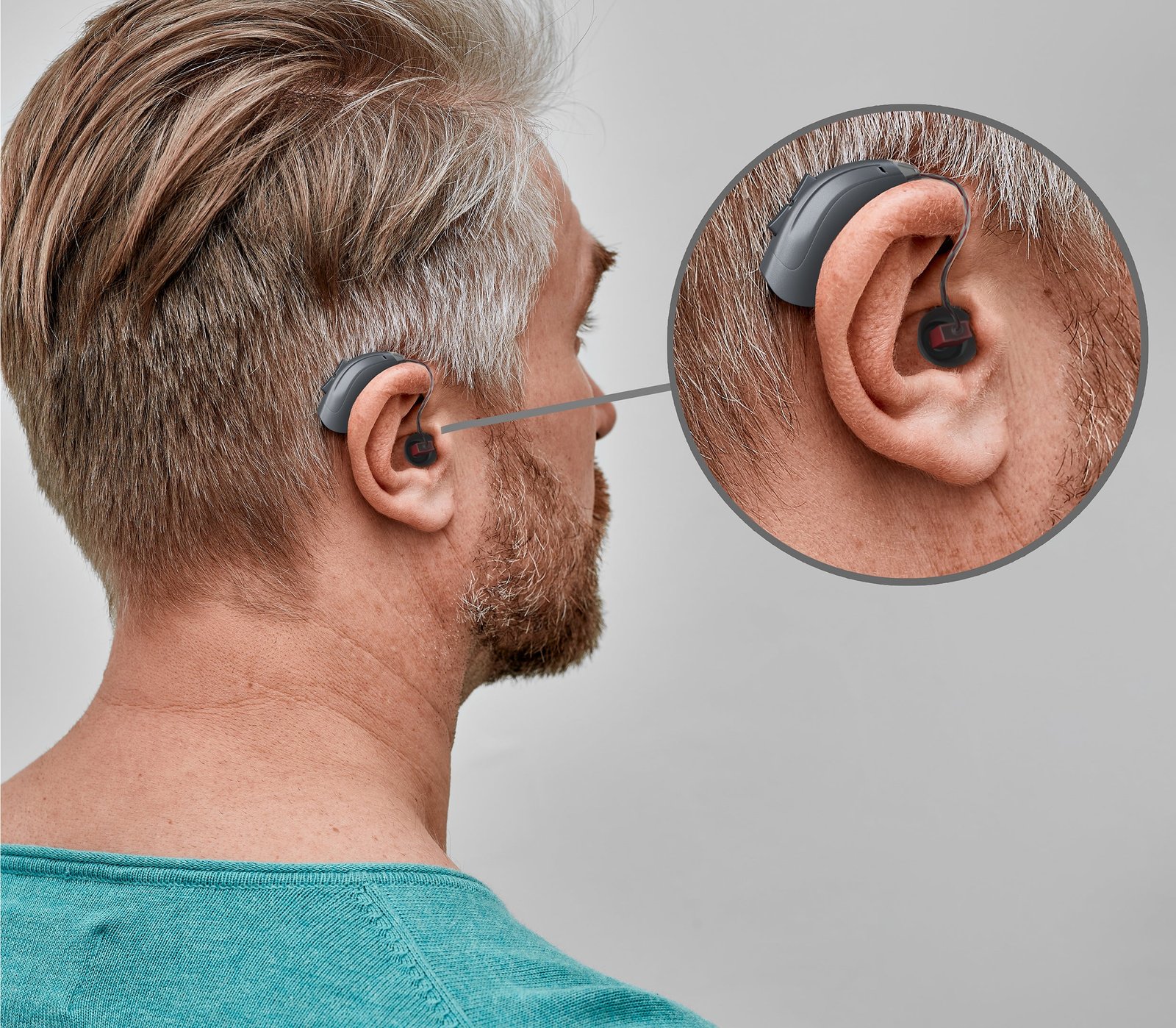
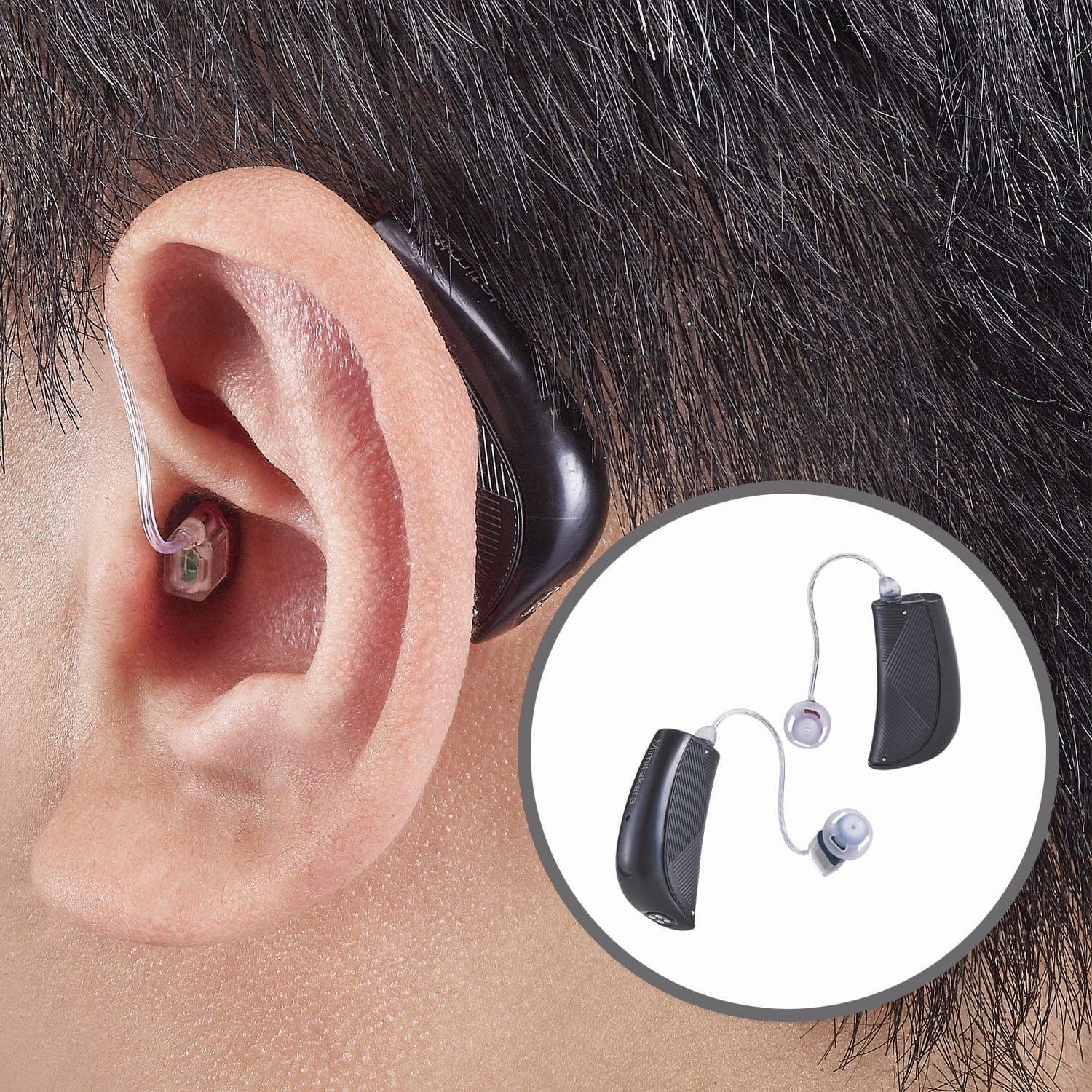
The most familiar style - a small case rests behind the ear and feeds sound through a slim tube or wire into the canal. Modern BTEs are far smaller and sleeker than the chunky devices of years past.
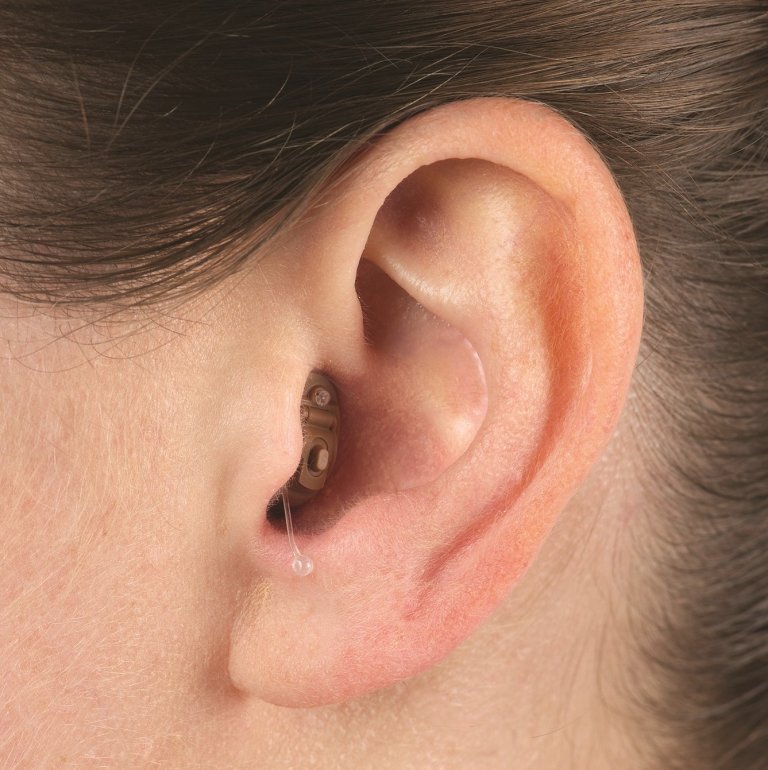
ITC aids sit a little deeper than ITE styles, tucked further into the canal so they are harder to spot. The trade-off for that extra discretion is a smaller body and battery.
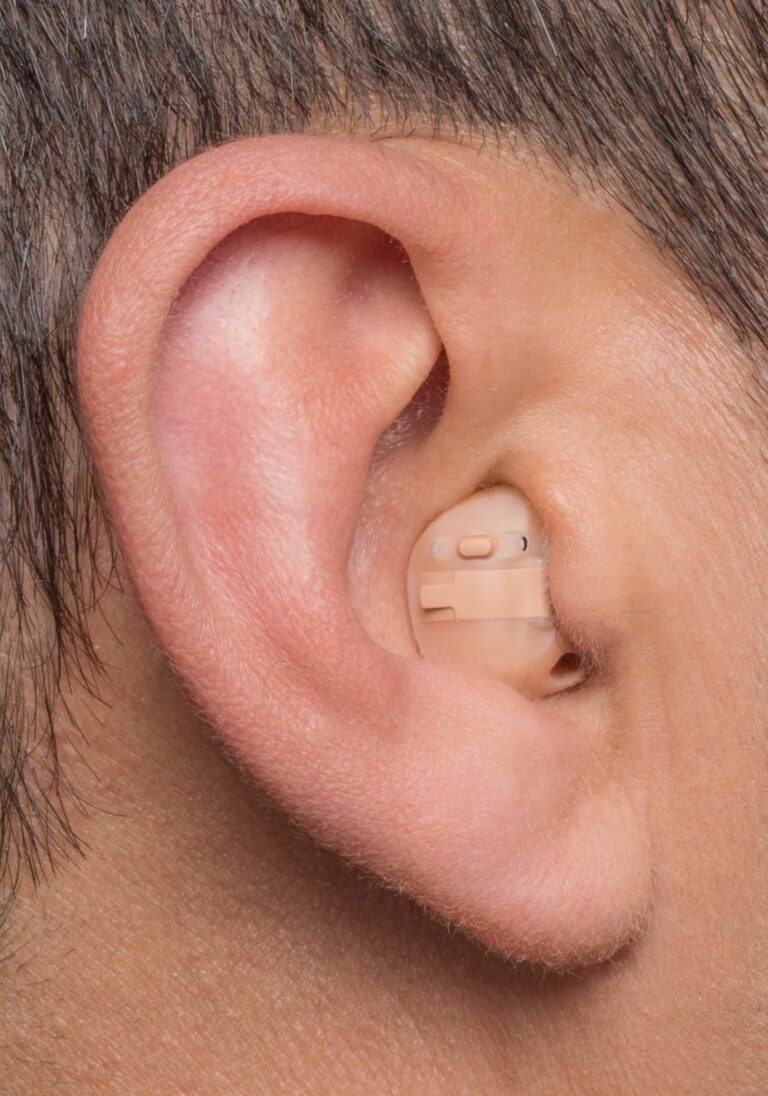
The smallest style available, sitting deep enough in the canal to be effectively invisible from the outside. A custom mould keeps it secure and comfortable throughout the day.
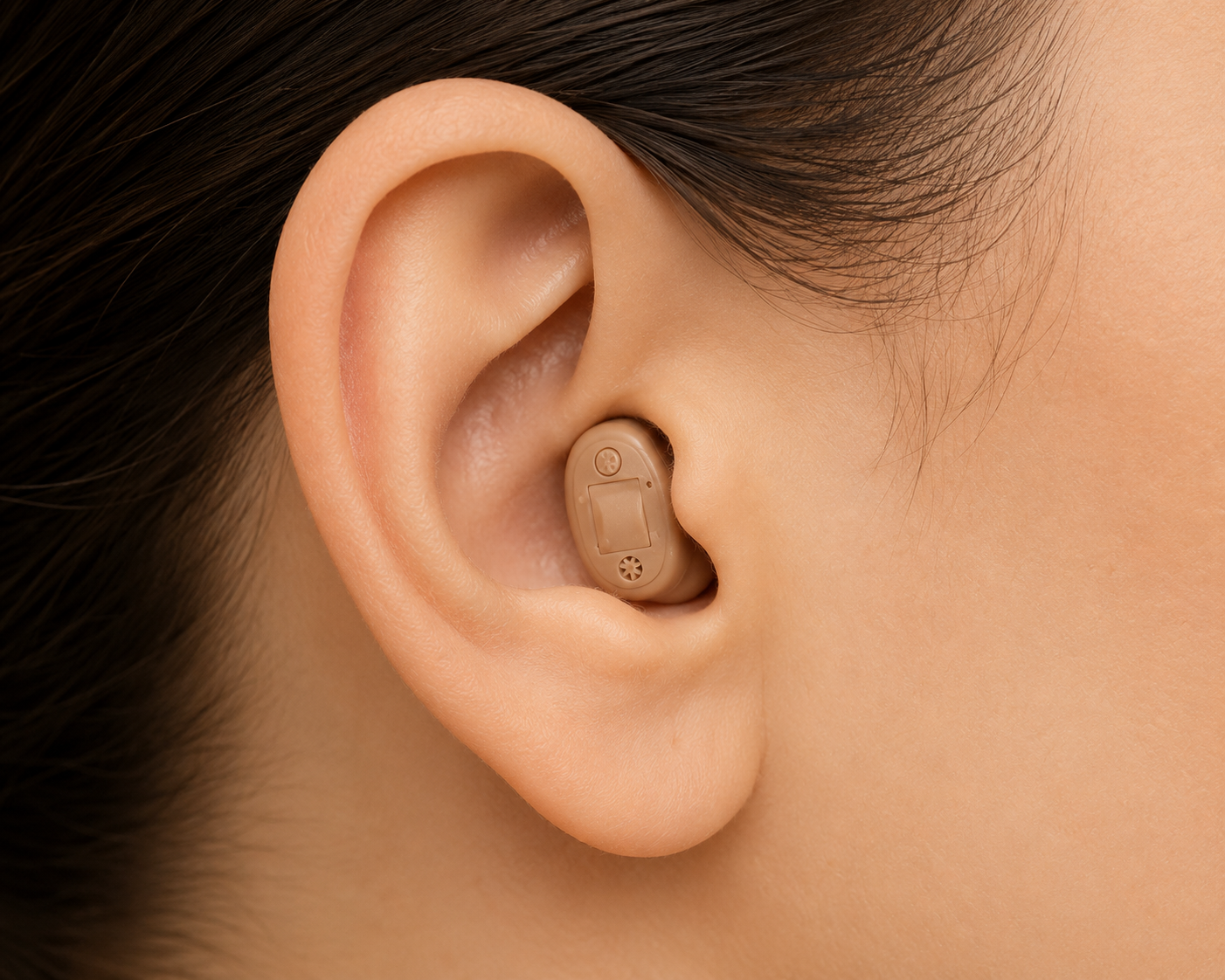
A custom device that sits neatly within the canal - inconspicuous, discreet and comfortable enough for all-day wear. It is moulded from an impression of your own ear.
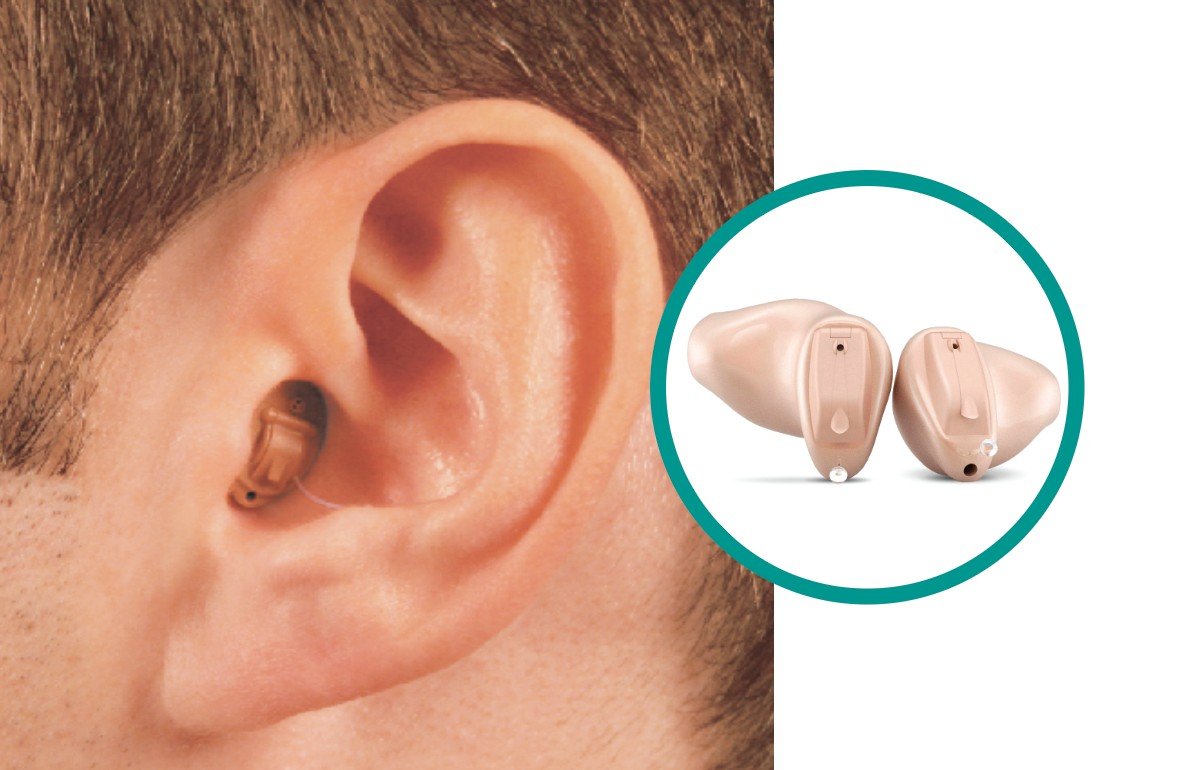
A slimmer relative of the BTE, with the speaker placed inside the canal on a near-invisible wire. It avoids the blocked feeling some BTE wearers notice and has become the popular modern all-rounder.
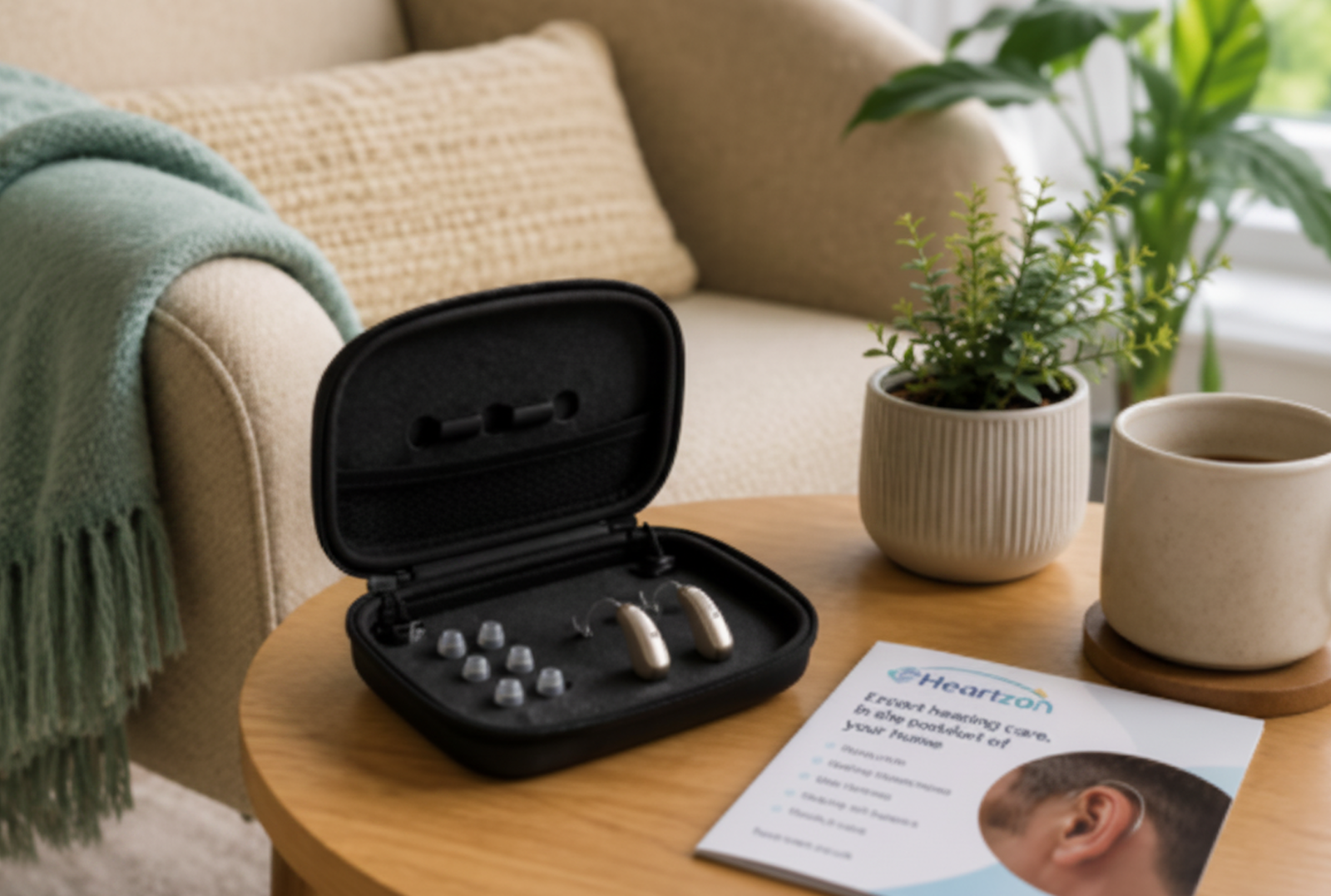 Home visit
You don't need a clinic waiting room to get expert help. A certified Hearizan audiologist comes to you with full clinical-grade equipment and the time to do things properly.
There's no rush and no pressure — just clear answers and aftercare that continues through your patient portal.
With so many styles, choosing alone can feel overwhelming - which is exactly why we don't expect you to. During a home visit we look at your hearing results, check the shape and size of your ear canals, and talk through your daily life.
From there we narrow it down to the styles that genuinely suit you, and you can often try how they feel before deciding. No jargon, no pressure - just the right fit for your ears and your routine.
From microphone to eardrum in milliseconds — a plain-English look at the technology that brings sound back to life.
Read article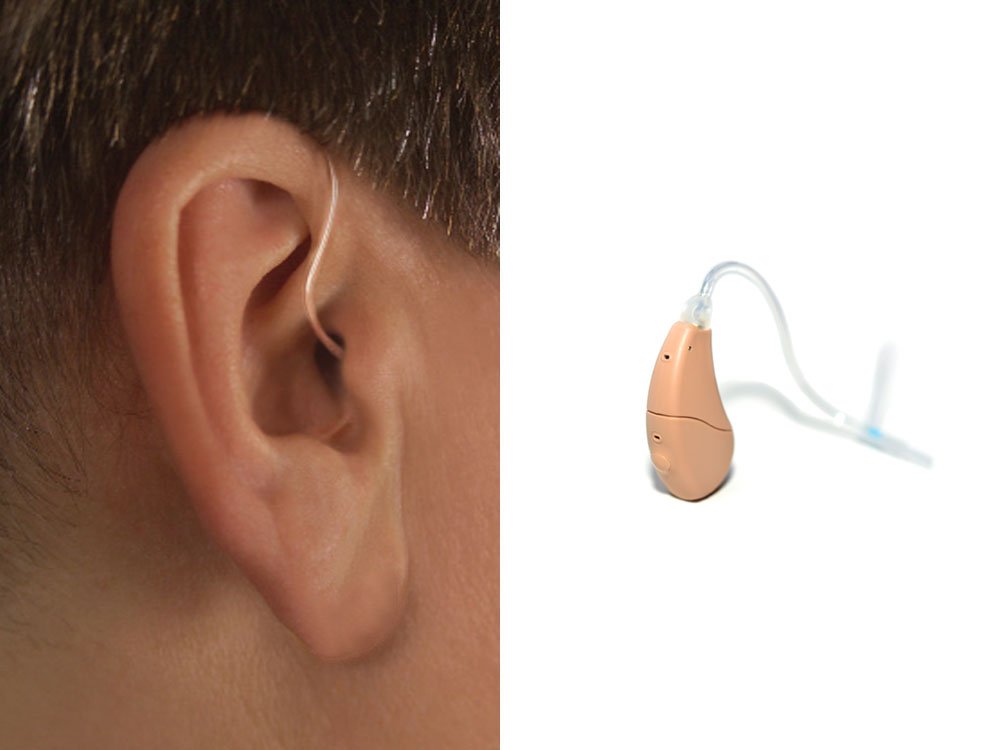
Discreet, custom-moulded devices that sit deep in the canal. Find out who they suit and how they compare.
Read article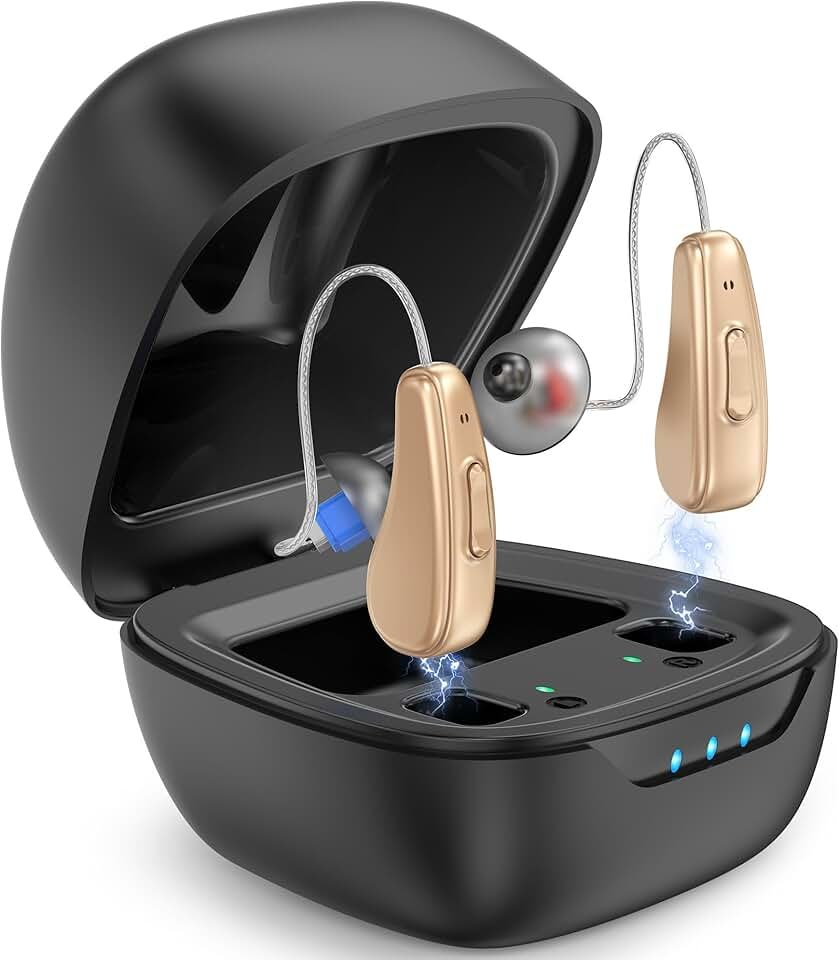
No more fiddly batteries. How lithium-ion rechargeable aids work and why so many people are switching.
Read articleA certified audiologist, clinical-grade equipment, and unhurried care - all in the comfort of your home. Most appointments within 48 hours.